


If you have ever spent half a day fighting saplings with a chain, a shovel, and more patience than the job deserved, a proper tree puller changes the whole equation. This tree puller attachment review is built for buyers who want roots out, ground cleared faster, and less punishment on their back, shoulders, and machine.
A good tree puller is not just a steel jaw with hydraulic power behind it. The difference between a useful attachment and an expensive headache usually comes down to three things - how well it grips, how cleanly it extracts, and how well it matches the carrier you already own. That is where most buying mistakes happen.
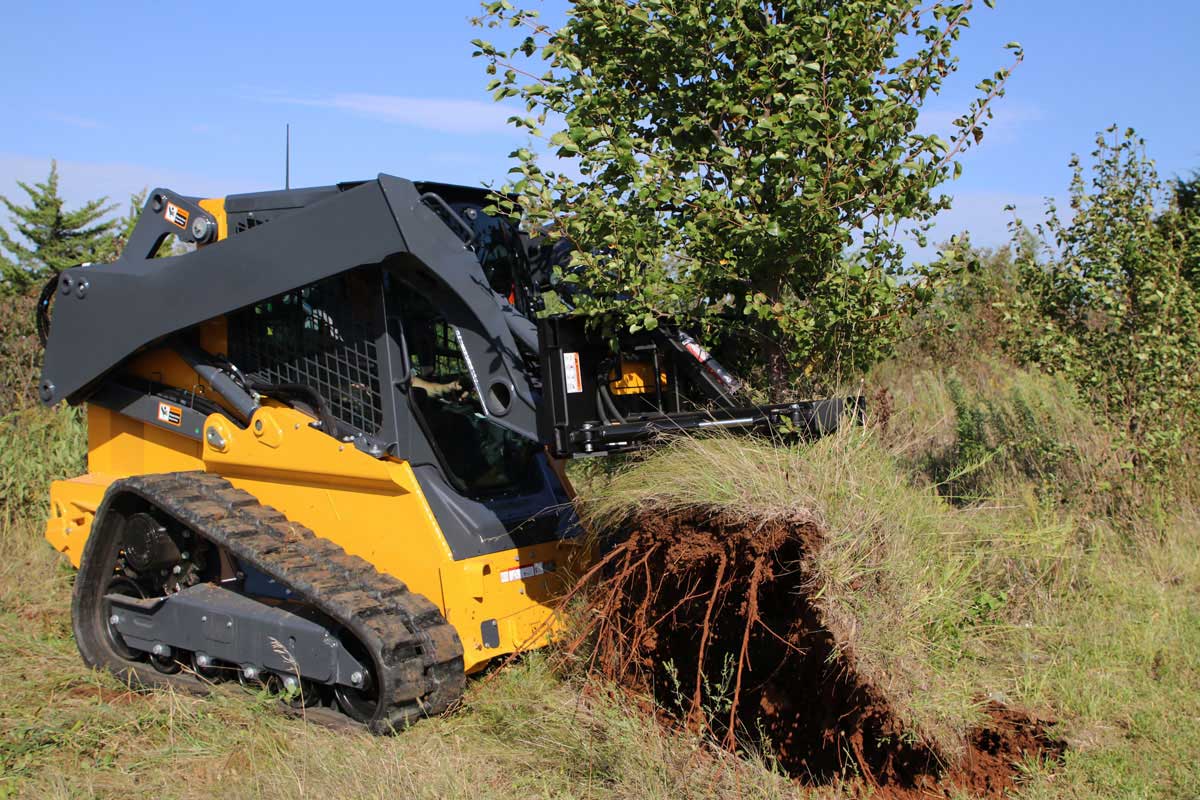
Tree puller attachment review: who actually needs one?
Tree pullers make the most sense when you are dealing with small to mid-size trees, brush, volunteer growth, fence line cleanup, pasture reclamation, lot prep, and ongoing property maintenance. They are especially productive when you need to remove the root system rather than just cut material at ground level.
That distinction matters. If you only cut saplings off flush with the soil, many species come right back. A puller gets under that cycle by removing roots with the stem. For ranchers, acreage owners, and land-clearing crews, that often means less repeat work next season.
Still, a tree puller is not the right answer for every job. If your work is mostly large-diameter timber, dense mature woods, or heavy-volume mulching, a tree shear, forestry mulcher, or excavator with the right setup may be a better fit. The best buyers are the ones honest about material size, soil conditions, and how often the attachment will actually be used.
What separates a strong tree puller from a weak one
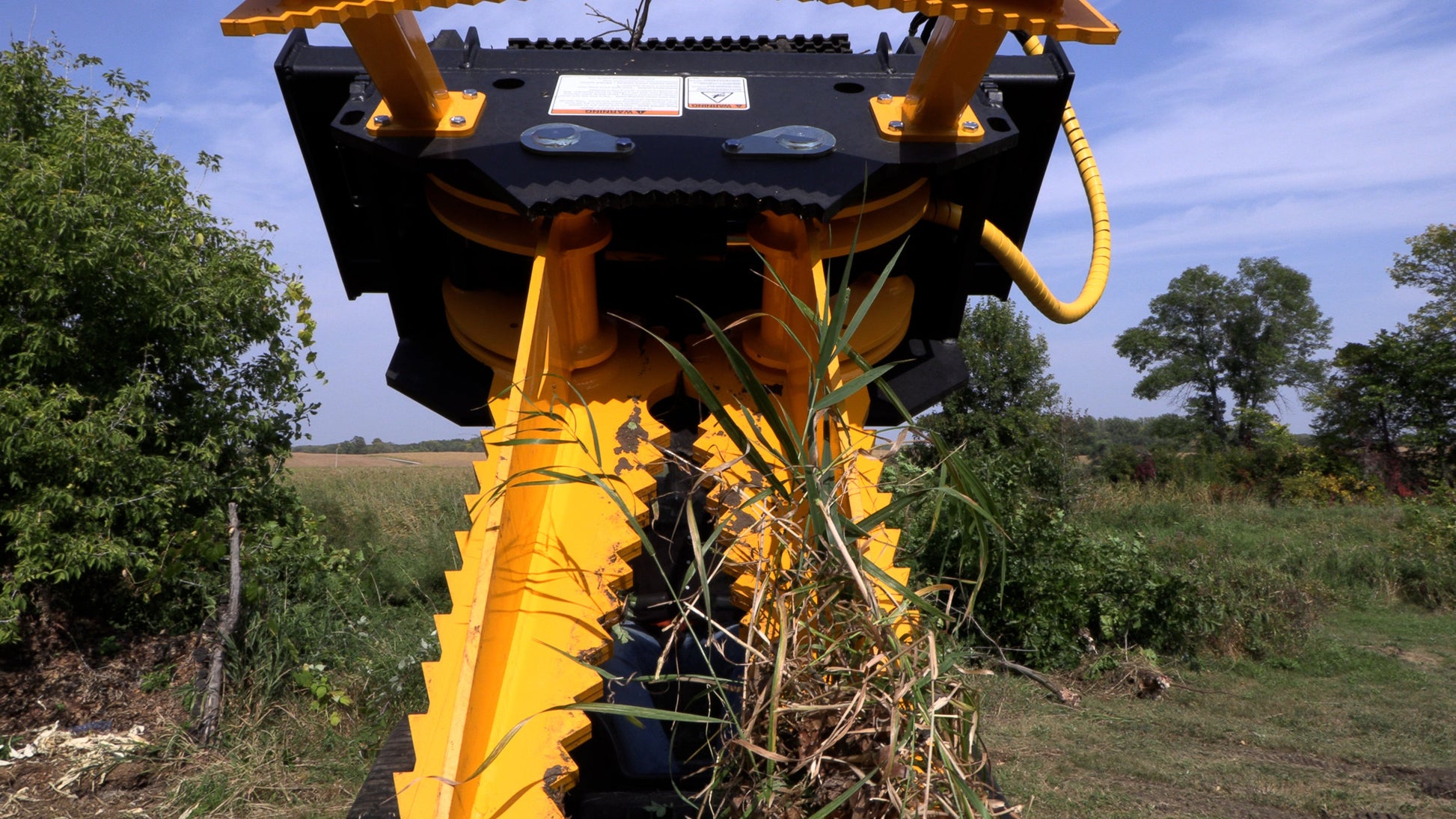
The first thing to study is jaw design. A quality puller needs aggressive teeth that bite without slipping, especially on slick bark or green saplings. Smooth or lightly serrated jaws can look fine in product photos but struggle in real field conditions. Once the trunk starts sliding, you lose efficiency and put extra strain on the operator.
Jaw opening is the next checkpoint. Bigger is not automatically better. A wide opening lets you handle larger stems, but if the geometry is poor, clamping force can drop off where you need it most. Some pullers are excellent on 1-inch to 4-inch material and mediocre beyond that. Others are built to grip heavier stems but feel clumsy on brush and smaller volunteer trees. Your workload should decide the sweet spot.
Construction quality matters more than spec-sheet bragging. Look for thick plate steel, reinforced pivot points, protected cylinders, and welds that look built for shock loads rather than showroom appeal. Tree pulling is a twisting, side-loading job. Cheap steel and light pivot construction show their weakness fast.
Visibility also deserves more respect than it gets. If the operator cannot see the jaws clearly from the cab, every grab takes longer. That lost time adds up over a full day, and it can lead to bad angles that stress the attachment or scar the ground more than necessary.
Compatibility is where good purchases go bad
In any honest tree puller attachment review, compatibility has to come before brand loyalty. A great attachment on the wrong carrier is still the wrong buy.
For skid steer owners, hydraulic flow and operating capacity are the big checkpoints. You need enough hydraulic performance to clamp decisively, and enough machine weight and stability to pull without getting tossed around. A puller that looks perfect online may underperform if your skid steer is light in the rear or limited on hydraulic output.
For tractor users, the question is often front-end loader capacity and loader frame strength. Pulling small brush with a tractor can work very well, but repeated yanking on stubborn roots is not the same as carrying a pallet. Some buyers expect skid steer performance from a compact tractor attachment package and end up disappointed.
Excavator-mounted tree pullers can be extremely efficient because of reach and control, but pin size, coupler fit, auxiliary hydraulics, and machine balance all matter. This setup can shine on selective clearing and hard-to-reach spots, though it is not always the lowest-cost entry point.
If you are between sizes, do not size only for today’s smallest jobs. Buy for the material mix you actually expect over the next few seasons. That said, oversizing can be just as wasteful if it slows handling on the brush and saplings that make up most of your work.

Real-world performance: where tree pullers earn their keep
The best use case for a tree puller is repetitive removal of nuisance growth without bringing in a larger, more expensive clearing package. Fence rows, trail edges, field expansion, shooting lanes, and homestead cleanup are all strong fits. In those settings, a puller can produce a cleaner result than cutting alone and usually with less follow-up.
Soil conditions change the experience. In moist or loamy ground, a good machine-and-attachment combo can make quick work of saplings and brush. In dry clay, rocky ground, or areas with heavily established root systems, performance drops and the job becomes more about controlled leverage than brute pulling. That does not mean the attachment is failing. It means expectations need to match conditions.
Operator technique also matters. The best results usually come from clamping low, keeping the tree under control, and working the root mass with steady pressure instead of sudden jerks. Buyers who use a puller like a battering ram tend to wear out equipment and themselves.
Trade-offs you should know before you buy
A tree puller saves labor, but it does disturb the ground more than a simple cut. If appearance matters, expect some raking or grading afterward. On the other hand, if regrowth prevention matters more than a smooth finish, the disturbance is often worth it.
Another trade-off is material handling. Some pullers do a decent job carrying extracted trees and brush to a pile. Others are mainly built to grab and pull, not transport efficiently. If cleanup speed matters as much as extraction, compare how stable and secure the grip remains while moving material.
There is also the question of versatility. A purpose-built tree puller is excellent at its main job, but less flexible than a grapple or bucket in mixed-use work. If your machine does a wide variety of tasks every week, a dedicated puller needs to justify its storage space and purchase price through actual hours saved.
What buyers should prioritize by workload
For acreage owners and homeowners managing recurring overgrowth, simplicity and fit matter most. You want an attachment that works with your machine without constant fiddling, has strong visibility, and handles the sapling sizes you see every year. Going too large can hurt control and waste money.
For farmers, ranchers, and fence line managers, durability becomes a bigger factor. Repeated work along rough ground and irregular brush lines puts stress on pivots, teeth, and hydraulic protection. Buy for abuse, not ideal conditions.
For tree crews and land-clearing contractors, productivity per hour is the real test. That means fast jaw action, reliable grip on different species, structural strength, and a design that keeps operators moving instead of repositioning over and over. In commercial use, downtime is expensive. Saving a little upfront rarely stays cheap.
A practical buying recommendation
If your main goal is removing saplings, invasive growth, and small trees with roots attached, a tree puller is one of the smartest attachments you can add to a skid steer, excavator, or properly matched tractor. It reduces hand labor, cuts repeat growth, and helps you clear more in a day with less physical wear.
If your work leans toward larger timber or full-site heavy clearing, buy with restraint. A tree puller can still help as part of the fleet, but it should not be expected to replace a mulcher, shear, or excavator setup built for heavier production.
The right move is to choose based on your machine, your typical stem diameter, and your soil conditions - not just the biggest jaw opening or the lowest price. That is where a knowledgeable team earns its keep. At Log Bear Works, that kind of guidance matters because matching the attachment to the carrier is what protects your investment and keeps the work moving.
A tree puller should do more than yank brush. It should help you reclaim time, protect your body from unnecessary strain, and turn a slow, aggravating job into steady progress you can see by the end of the day.